
To plan your school’s next PTA meeting, download a free template HERE.
The origin of naming the parent-teacher association- PTA, seems to have evolved from a 19th century social movement on “motherhood” as a political force. Through the “National Congress of Mothers”, women like Alice Birney and Phoebe Hearst in Washington DC, drove the advocacy on mothers as the central force for child-rearing. Their goal was to push for a better child welfare, educational policies and healthcare for children. As the organization gained traction, its founders realized that mothers could not work in isolation from the teachers for the wellbeing and development of children, so, they shifted from a gender-based nomenclature and renamed the movement the “National Congress of Parents and Teachers”. The modern acronym- PTA – was coined in 1924 as National Congress of Parents and Teachers adopted PTA as a short form to reflect the collaboration between parents and teachers in child development.
It was the American culture and social system that inspired, nurtured and developed the name PTA. However, non-American cultures have adopted the term in their local contexts. Since there are redefinitions of who a parent (biological parent) is, and in some cultures guardian act as parents to oversee the child wellbeing. There are guardians who are not biological parents and are more available for children than their biological parents. They include communal raising, extended families, or legal guardians as primary caregivers. They exercise agency, shaping the child’s development. The non-biological parent designation deserves to be captured in the naming system of the association of family member(s) and school community. Alternatives such as SFA (School-Family Association) are already in use in some places. This removes the biological focus of “Parent” and focuses on the unit of the “Family”. Finding the answer to the question on reviewing the term PTA to reflect the current reality and cultural nuances depends on the system.
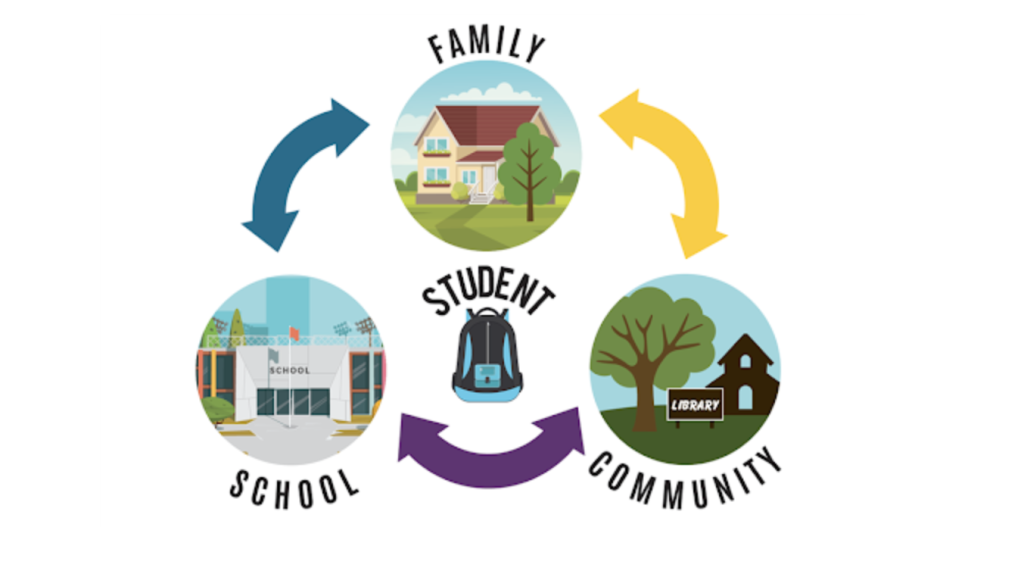
Regardless of the name adopted, a child’s academic success is central and should begin from home. The family takes responsibility before the schools and the larger community. A child’s foundational development is usually stronger when the home plays its primary part at the right time. While the parents/family creates the basics, the schools support with a conducive learning atmosphere and curriculum that thrives learning.
There are practical ways parent-teacher association can be successful. It includes a 30-45 minutes focus-based PTA meetings. This is impactful. This window allows parents and staff community to connect, re-assess and re-strategize approaches that supports students academic and character excellence. During this window, educators should avoid the use of technical jargons to communicate ideas to parents, instead, a simple, balanced and sensitive communication approach that does not ignore cultural or language difference would be productive.
Nowadays, different people use different communication channels as their levels of connectivity differs. Considering this, schools should use a mix of communication platforms- digital and non digital platforms, including home visits. Short PTA meetings should be distinguished from Parents Conferences which could last longer. One effective means for modern schools to communicate with parents is by using the SCHOOLEER enterprise resource. It is an all-in-one digital gateway built for schools in Africa. With Schooleer, students have access to digital learning support at home and parents can receive instant updates on the progress on their ward. Deploying different communication platforms improves inclusivity and helps parents stay informed.
Schools should encourage families to create study space at home, provide visual cards such as alphabets, periodic tables, skeletal system, etc. When students receive active support from home, it inspires their focus and improves learning culture within the family.
With the growing digital culture in today’s educational system, it is recommended that schools involve families/parents in the processes of acquiring and implementing new technology for learning. It improves transparency, promotes accountability and inspires trust especially in a low-trust system. Transparency equips parents with confidence and information to communicate to their child on the economic implication of their academic development. When the right information is clearly passed to the child, it improves the child’s sense of responsibility and motivates to deliver expectations. Through parent-student conversation, trust and accountability are built with positive communication and relationship building.
Being part of your child’s learning and education process is not totally centred on economic consideration but on mutual trust, respect, accountability, time management and shared commitment. Together, schools and families can build a partnership that lasts and benefits the larger society.
Written by: Byke Freeborn | X/Twitter: @bykefreeborn
Adapted from: Elizabeth Banda Makolijah’s ‘Top 5 Tips To Engage Parents In School Learning‘