
Nigeria’s Senator Shehu Sani once wrote: “You chase for greener pastures in Europe, Canada and America but The Chinese, Indians and Lebanese are chasing for greener pastures in your country. What are they seeing that you are not seeing? What are you seeing that they are not seeing? How do they become richer and realise their dreams in your very country that you think is inhospitable and poor?”
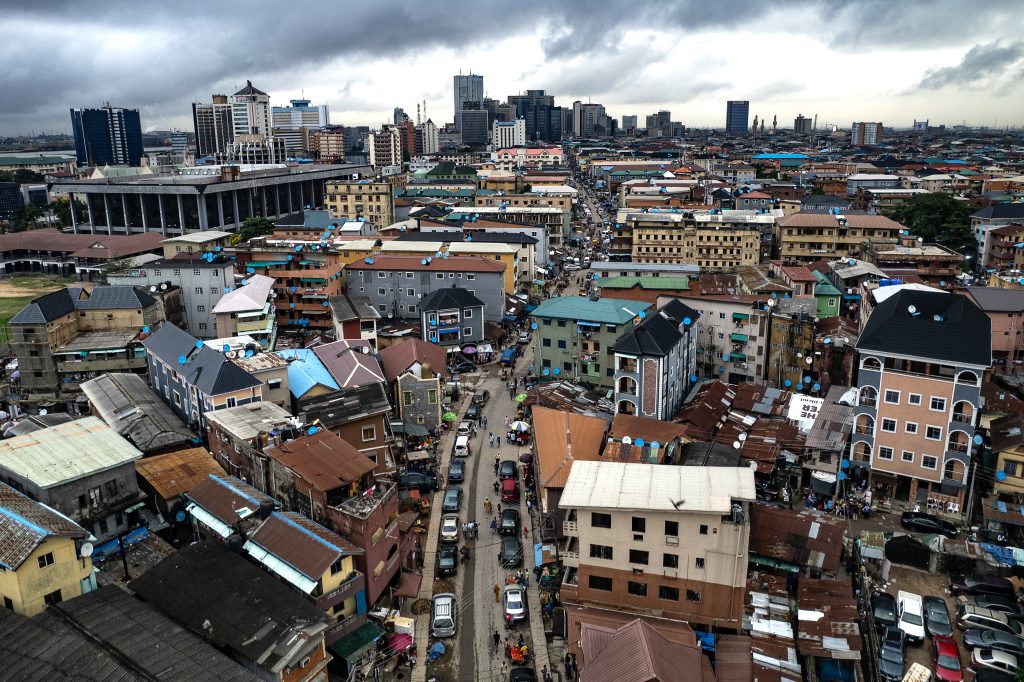
Undoubtedly, the statement is directed at Nigerians, specifically those who view the country as “poor,” “inhospitable,” and lacking opportunities for its citizens. However, I believe the senator’s question is thought-provoking, intended not to enrage readers or psychologically manipulate potential Europe/USA-bound Nigerian migrants into questioning their realities, decisions to migrate, or past endeavors. It is certainly not meant to instill self-doubt in the belief that greener pastures lie across the North Atlantic.
Admittedly, some audiences might interpret it as a tactical or emotional ploy to confuse readers or cause them to doubt their personal choices to seek better opportunities abroad. Your interpretation of this fundamental question ultimately depends on your ideological inclination and political proximity.
The true citizens of Nigeria are not only those who live in urban centers or serve in government; they include the 128 million non-internet users who view their bleak future through room windows in rural and urban slums across the country. They include Nigerian migrants in Myanmar whose families in Nigeria are part of the 87 million people living without access to electricity. Nigeria’s citizens include rural students who, after striving to pass secondary and university education, become doctors performing surgeries by glowing candlelight in teaching hospitals. And what do they see? They see a stratum of fellow Nigerians sending their children abroad to study in five-star schools.
Most ordinary Nigerians who dare to leave the country usually spend more than a decade dreaming of a better life, skilfully planning migration from smaller urban centers to larger ones, and finally onward across the shores where they continue to feed the international flow of brain drain.
As rightly observed, many Asians become richer in Nigeria. The pursuit of greener pastures by some Chinese, Indians, and Lebanese in Nigeria reinforces the persistent idea that Nigeria is possibly a “mistake of 1914”, a perspective that it is not a cohesive nation alive to its responsibilities to citizens, but rather an economic space for capital-intensive investments offering disproportionate benefits, primarily accessible to foreign investors capable of “bankrolling” substantial investments and bureaucratic costs.
Most wealthy Asians living in Nigeria are urban-based professionals whose primary direct experience of the country’s social classes comes from associating with people in a stratum that does not interact with the realities of the bottom millions.
Logically, the choice to migrate anywhere is a rational one: individuals assess available information, evaluate risks, and follow the decision that best serves their purpose. This applies both to Asians and Nigerians fleeing push factors.
Nigeria has the centripetal force to draw international investments and investors who live in it, create wealth, and become “richer.” Why, then, do so many ordinary Nigerians remain in poverty, experience jungle justice, and live amid prevailing corrupt systems that contribute to surges in global cybercrime and terrorism?
If you seek answers to WHAT, WHY, and HOW Nigerians are encouraged to emigrate in droves, the answer is blowing in the wind.
Written By: Byke Freeborn; X/Twitter: @bykefreeborn