
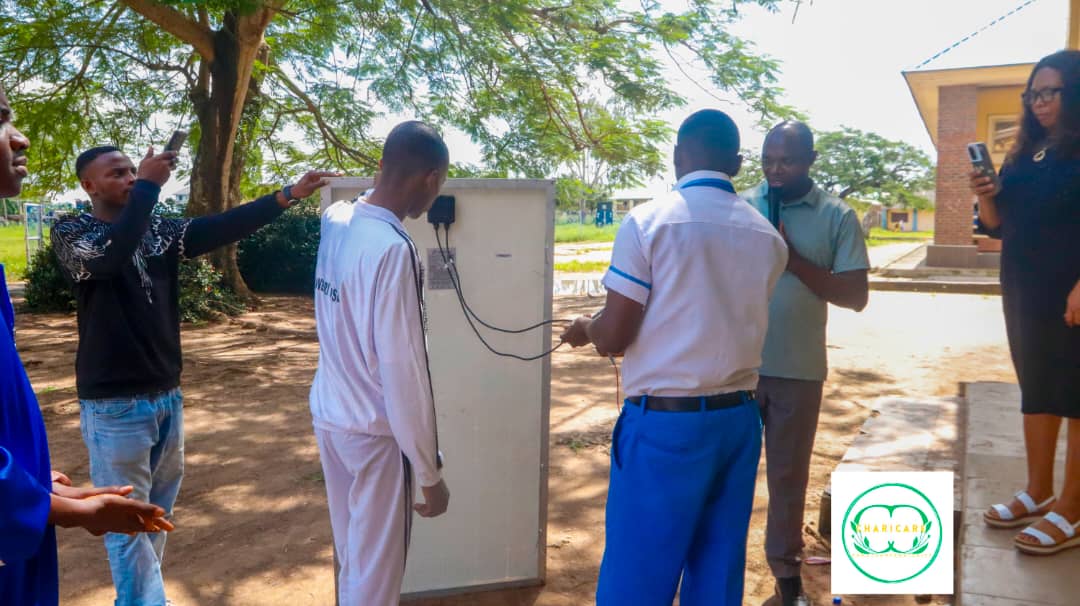
On September 30, Charicare organized a solar training seminar for a secondary school in Imo State, Nigeria. It was a success at Government Secondary School Owerri (GSSO) Imo State. Our Solar Discovery for Secondary Schools workshop on was amazing! We engaged and received feedback from students across different classes, proving that the next generation is ready to power the future. One of the teachers said “The most interesting part was the interactive aspect… it was educative and fun. But the explanation was a bit high-level for some Junior Secondary School students to grasp.” We love feedback because it helps us grow! To make sure no student is left behind. This workshop has officially inspired the creation of the Government Secondary School, Owerri Solar in School Club, a fun space where we will break down heavy renewable energy jargon and deliver hands-on, practical solar training right down to our junior classes.
Data from our Renewable Energy Training Analysis shows that of 100 % registrants, only 9% were female, 18% Completed the free course and 9% reached Certification. Lessons from across Data Source where we have implemented projects show structural barriers such as Survival Needs for adult learners. Domestic chores and immediate income needs compete with online-only training hours. The feedback is: without a dedicated facility for hands-on training, most adult candidates prioritize survival needs. Again, high cost data connectivity creates a massive barrier for low-income candidates in “Digital Only” models. In-person outreach guarantees higher retention and engagement for learners.
Here is why practical lab experience is critical and what to look for in a training program.
1. Moving from Theory to Reality
Learning how a solar system works on a screen is one thing; installing it under actual job-site conditions is another. Hands-on labs give students the chance to work with real equipment, run conduit, and troubleshoot issues. That repetition turns abstract concepts into real competency.
2. Building Critical Safety Habits
Working with live electricity and heavy equipment involves high stakes. Practicing proper safety protocols in a supervised lab builds correct habits early, preventing dangerous live-site mistakes like electrical fires, equipment damage, or serious injury.
3. Combining Online and In-Person Learning
The most effective training programs blend online coursework with practical lab work. When both formats are built by experienced industry professionals, conceptual knowledge and hands-on skills support each other seamlessly.
How to Choose the Right Training Program
Not all hands-on programs offer the same quality. Look for training providers that meet standards:
- Experienced Instructors: Teachers should be active industry professionals who bring real-world context to the classroom.
- Small Class Sizes: Low student-to-instructor ratios ensure personalized feedback and direct supervision.
- Realistic Lab Environments: Training facilities should simulate real-life conditions, including outdoor weather, terrain, and varied mounting surfaces.
- Modern Equipment: Labs must use current, industry-standard technology rather than outdated gear.
- Industry Credentials: Ensure the curriculum aligns with recognized standards so your training hours count toward certification.
Investing in solar education is an investment in your career. While online learning opens the door, combining it with true-to-life lab training ensures you don’t just learn about solar—you learn how to work in solar safely and effectively.
Adapted from SEI publication By Chris| June 3rd, 2026.