
Is a large population a problem or a benefit? Depending on who you ask, the answer is invariably both. No single perspective is entirely wrong; rather, the outcome depends entirely on whether a population is equipped to be productive or left to be counterproductive.
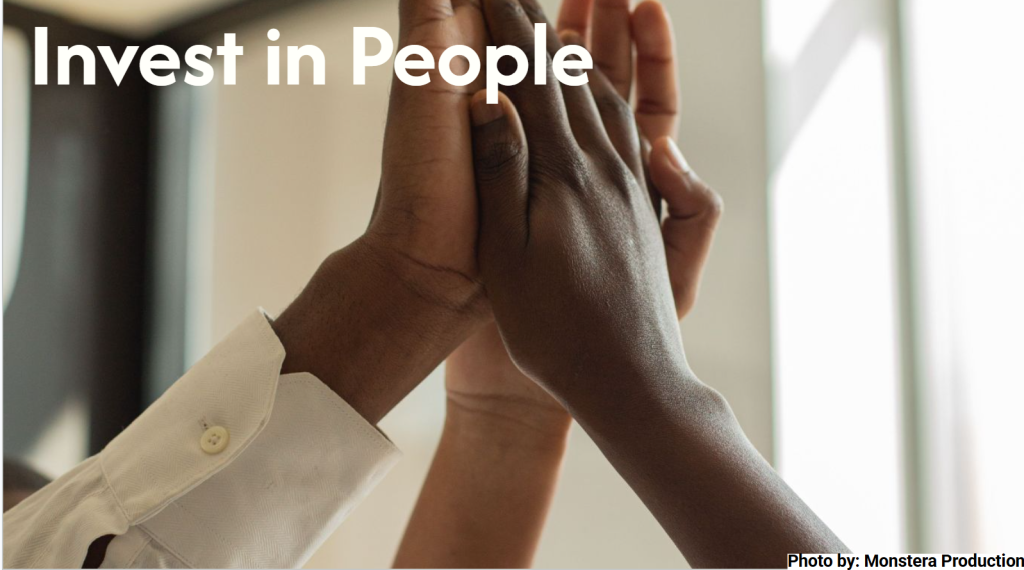
Governments and businesses routinely invest heavily in land, infrastructure, and corporations. Yet, it is worth asking: who ultimately puts land to use and operates those companies? Investing in people should be the primary goal of any society aspiring to excel. Treating efficient education and healthcare not as charity, but as a profitable investment, changes everything. People are the primary operators, innovators, and custodians of all economic and social capital. Consequently, a population can either be the ultimate strength or the greatest vulnerability of any establishment.
Basic social studies teaches that humans are unique animals. While we share biological foundations, social structures, and emotional capacities with the animal kingdom, humans possess advanced abstract cognition, cumulative technology, and moral reasoning. However, without structural support, a large population risks descending into chaos—much like a society with laws only on paper rather than enforced order. Investing in human development is what determines which side of the population coin a nation gets to see.
This dynamic explains why wealth is heavily concentrated in cities rather than rural villages. Cities thrive economically because they concentrate competent, specialized labor that drives higher productivity. This urban advantage stems directly from a historical disparity: government investments in advanced education and healthcare facilities have traditionally clustered in metropolitan areas. Education builds specialized knowledge, while robust healthcare systems ensure a workforce remains healthy enough to be consistently productive.
Ultimately, with effective investment, a large population transforms into an extraordinary benefit; without it, it becomes a structural catastrophe that demands exponential remediation. Fortunately, modern connectivity offers a path forward for rural areas to overcome traditional infrastructure deficits. By leveraging the internet, establishing local skill-acquisition centers, and fostering grassroots participation from community-based organizations, philanthropists, and development unions, rural communities can bridge the gap. When individual lives improve through accessible learning and healthcare, families, local economies, and society at large reap the rewards—fueling innovations that can change the world.
Written by: Byke Freeborn. X/Twitter; @Bykefreeborn